How to Introduce a New Dog Food Without Upsetting Your Dog’s Stomach
Changing your dog’s food can feel like a fresh start: a new flavour, different ingredients and perhaps a recipe that is better suited to their needs. But even a high-quality new food can cause an upset stomach if the change happens too quickly.
For most dogs, the safest way to change food is to gradually mix the new food with their existing food over 7 to 10 days. Some dogs, particularly those with sensitive stomachs, may need a little longer.
Here is a simple dog food transition plan, plus the signs to watch for along the way.
Why should you change dog food gradually?
Your dog’s digestive system becomes accustomed to the food they eat regularly. A sudden change introduces different ingredients and nutrient levels all at once, which can lead to loose stools, wind, vomiting, a reduced appetite or general discomfort.
A gradual transition gives their digestive system time to adjust and also makes it easier to notice whether the new food suits them.
How to change dog food over 7–10 days
Start with a small amount of the new food and increase it every few days:
- Days 1–3: 75% old food and 25% new food
- Days 4–6: 50% old food and 50% new food
- Days 7–9: 25% old food and 75% new food
- Day 10 onwards: 100% new food
If your dog has a particularly sensitive stomach, keep them at each stage for a little longer and complete the change over approximately two weeks.
Useful tip: calculate each portion from the feeding guidance for that particular food. Different foods can contain different amounts of energy per gram, so do not add a full portion of the new food to a full portion of the old food.
Switching to Dewkes dog food?
You can use the same gradual plan when moving your dog onto Dewkes. Our grain-free dry dog food range is made with freshly prepared meat or fish, sweet potato and carefully selected ingredients. Depending on the recipe, benefits include:
- Quality meat or fish protein
- Grain-free recipes made with sweet potato
- No added artificial colours or preservatives
- Prebiotics MOS and FOS to support healthy digestion
- Added omega-3 to support healthy skin and coat
- Recipes for puppies, adult dogs, senior dogs and small breeds
Not sure which flavour will earn an empty bowl? Our 100g Dewkes dog food taster packs start from £1, making it easy to let your dog try a flavour before you buy a larger bag.
A taster pack is designed to test the flavour. Once you have found their favourite, make sure you have enough of the chosen recipe to complete the full 7–10 day transition.
Signs your dog is adjusting well
Every dog is different, but these are encouraging signs that the transition is going smoothly:
- Consistent, firm stools
- A normal appetite
- Normal energy levels
- No discomfort or excessive wind
- They are happy to eat the new food
What if the new food upsets your dog’s stomach?
If your dog develops mild digestive upset, stop increasing the amount of new food. Return to the last ratio they managed comfortably and give them a little more time before trying to move forwards again.
Avoid introducing new treats, chews or table scraps at the same time. Keeping everything else consistent makes it easier to judge how your dog is responding to the new food.
Speak to your vet if your dog has persistent diarrhoea, repeated vomiting, blood in their stools, marked lethargy, refuses food or water, appears to be in pain, or if you are otherwise worried. Puppies, older dogs and dogs with an existing health condition may need veterinary advice sooner.
How to help a fussy dog accept new food
A gradual transition helps a fussy dog get used to a new smell, flavour and texture. Keep mealtimes calm and consistent, and avoid immediately adding lots of toppers if they hesitate; doing so can teach some dogs to wait for something more exciting.
If they refuse the new food altogether, try a different recipe rather than allowing them to go without eating. Dewkes taster packs are available in a choice of flavours, including Very Venison, Duck A L’Orange, Fish Medley, Pork Dinner and Lamb Lunch.
Extra tips for a smooth transition
- Keep feeding times and your dog’s usual routine consistent
- Measure both foods rather than estimating the proportions
- Make sure fresh water is always available
- Avoid changing treats or adding other new foods at the same time
- Check the feeding guide on both packs to avoid overfeeding
- Watch your dog’s appetite, stools, energy and general comfort
- Take longer than 10 days if your dog needs it
Choosing the right food for your dog
Grain-free food is not essential for every dog. Some owners choose it because their dog does not get on well with particular ingredients, while others prefer a recipe made with vegetable like sweet potato rather than grain fillers. The most important thing is to choose a complete food that is appropriate for your dog’s age, size, activity level and individual needs.
If your dog has a diagnosed food allergy, a medical condition or is currently eating a prescription diet, ask your vet for advice before changing their food.
Frequently asked questions about changing dog food
How long does it take to switch dog food?
Most dogs can change food gradually over 7 to 10 days. Dogs with sensitive stomachs may benefit from a slower transition lasting two weeks or longer.
Can changing dog food cause diarrhoea?
A sudden change can cause loose stools or diarrhoea. Introduce the new food gradually and slow the transition if your dog develops mild digestive upset. Contact your vet if diarrhoea is persistent, severe or accompanied by other worrying symptoms.
Can I change my dog’s food immediately?
A gradual change is preferable whenever possible. If you have run out of the old food, keep the first portions of the new food modest, avoid introducing any other new foods and monitor your dog closely. Ask your vet for advice if your dog is very young, elderly, unwell or has a sensitive stomach.
Can I change from wet food to dry food?
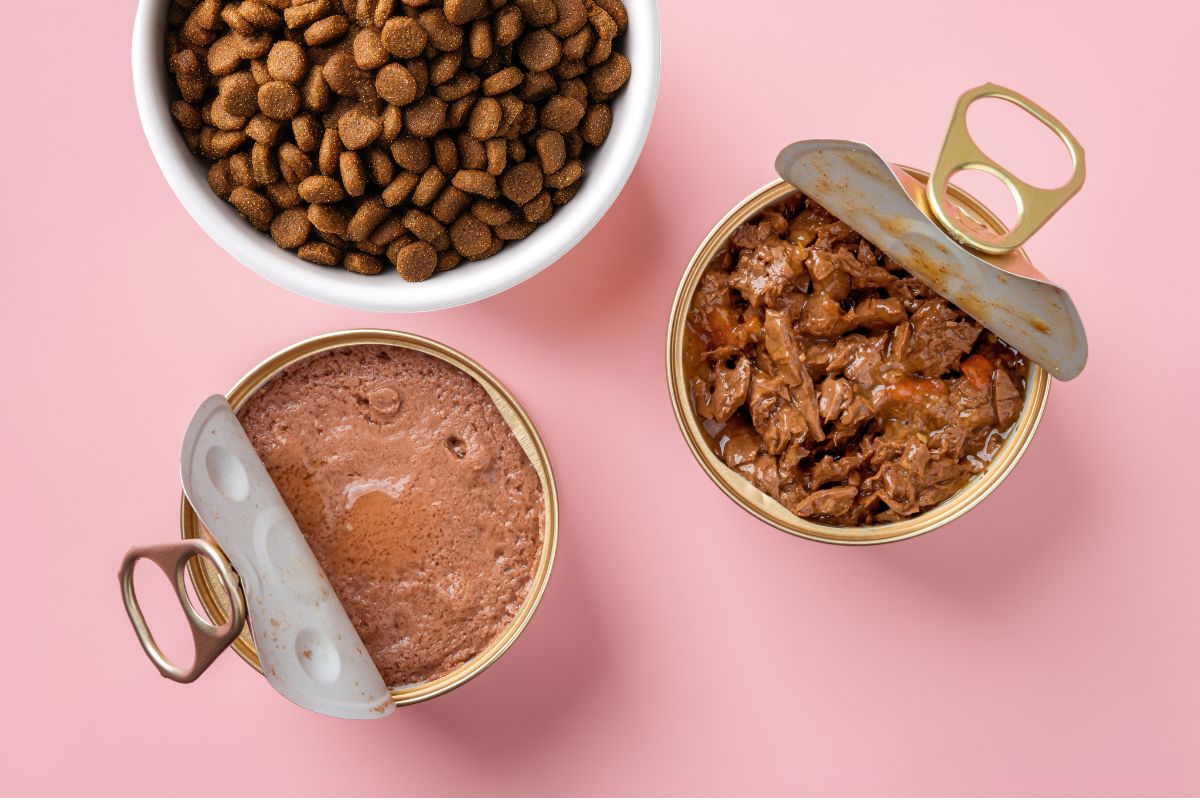
Yes. Introduce the dry food gradually in the same way, using the recommended feeding amounts for each food rather than matching them gram for gram. Always ensure fresh drinking water is available.
Should I change my dog’s treats at the same time?
It is best to keep treats consistent while changing their main food. This reduces the number of new ingredients being introduced and makes it easier to identify what may have caused an upset stomach.
Ready to try Dewkes?
Switching food successfully is less about rushing and more about paying attention to your dog. Take it gradually, measure each portion and adjust the pace if they need more time.
Try Dewkes dog food from £1, discover the recipe your dog enjoys most and then follow the transition plan above when moving onto their new food.