How Much Should I Feed My Dog?
Feeding your dog should be simple. But once you start looking into it, it’s easy to second guess yourself.
How much food do they actually need? Should they be eating once a day or twice? And where do treats fit into it all?
The good news is, there are some simple guidelines you can follow to get it right.
Start with your dog’s weight
A good place to begin is with your dog’s weight. That gives you a rough idea of how much food they need across the day.
As a general guide:
- 1–5kg: 25–85g per day
- 5–10kg: 85–145g per day
- 10–20kg: 145–245g per day
- 20–30kg: 245–335g per day
- 30–40kg: 335–415g per day
- 40kg+: 415g+ per day
These amounts should be spread across the day rather than given in one go.
How many meals should a dog have?
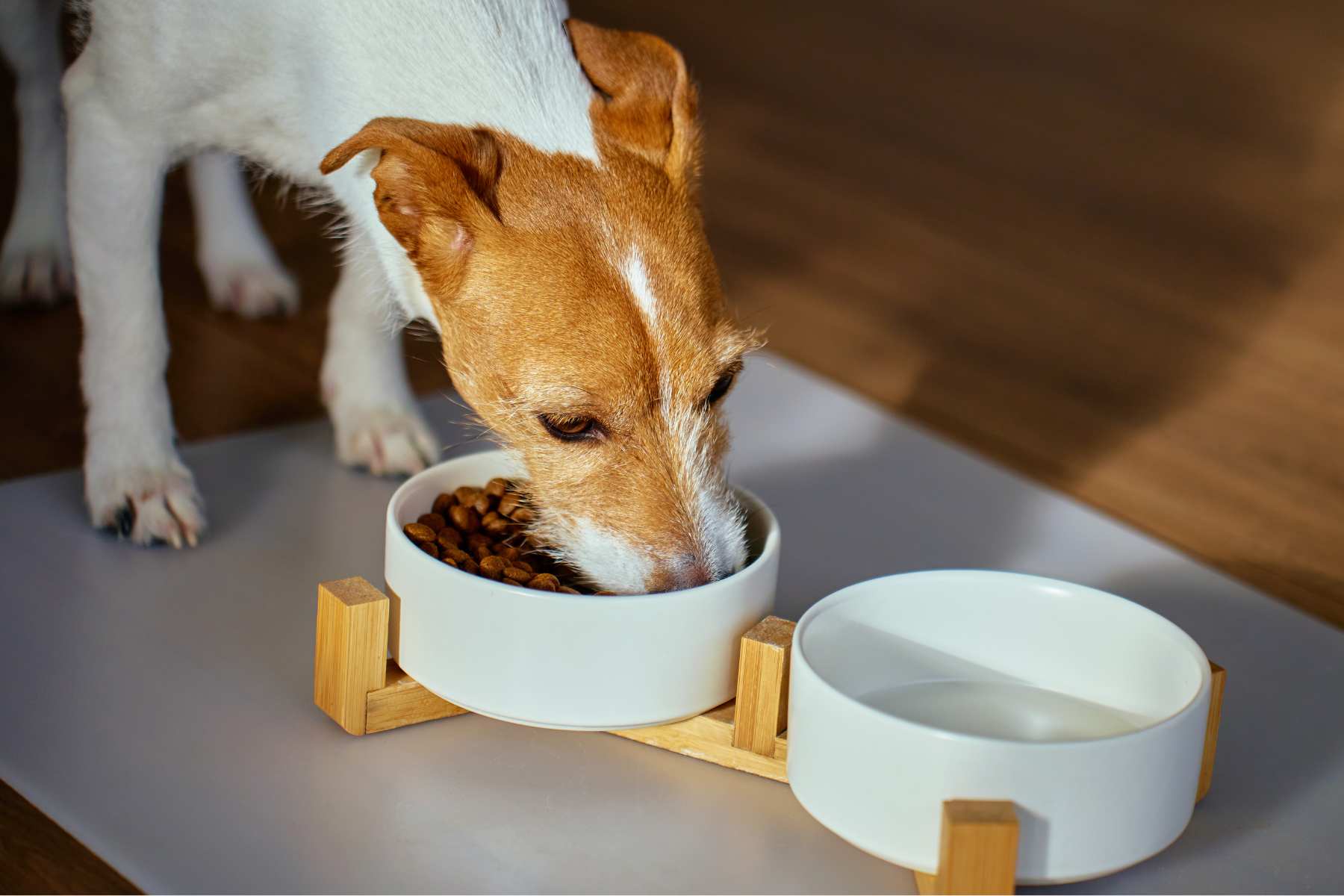
Most adult dogs do best when they’re fed twice a day.
A simple routine is:
- Morning meal (around 7–9am)
- Evening meal (around 5–7pm)
This helps keep their energy levels steady and avoids long gaps without food. It also tends to suit most daily routines.
Puppies are a bit different and usually need three or even four smaller meals a day while they’re growing, gradually moving to two meals as they get older.
Why the exact amount can vary
No two dogs are exactly the same.
Even dogs of a similar size can need different amounts of food depending on how active they are, their age, and their metabolism. A young, energetic dog that’s out on long walks every day will naturally need more than one who prefers a quieter life.
That’s why it’s important to treat feeding guidelines as a starting point, not a fixed rule.
How to tell if you’re feeding the right amount
The best way to judge is by looking at your dog, not just the numbers.
If your dog is a healthy weight, you should be able to feel their ribs without pressing too hard, and they should have a visible waist when you look from above. They should also have consistent energy throughout the day.
If they’re gaining weight, it’s usually a sign to reduce portions slightly. If they seem underweight or low on energy, they may need a bit more.
Where do treats and snacks fit in?
Treats are part of your dog’s daily intake, so they need to be factored in.
As a general rule, treats should make up no more than about 10% of what your dog eats in a day. If you’re using treats regularly, especially for training, it’s worth slightly reducing their main meals to keep things balanced.
This doesn’t mean you need to stop giving treats. It just means being mindful of how they fit into the bigger picture.
Using treats throughout the day
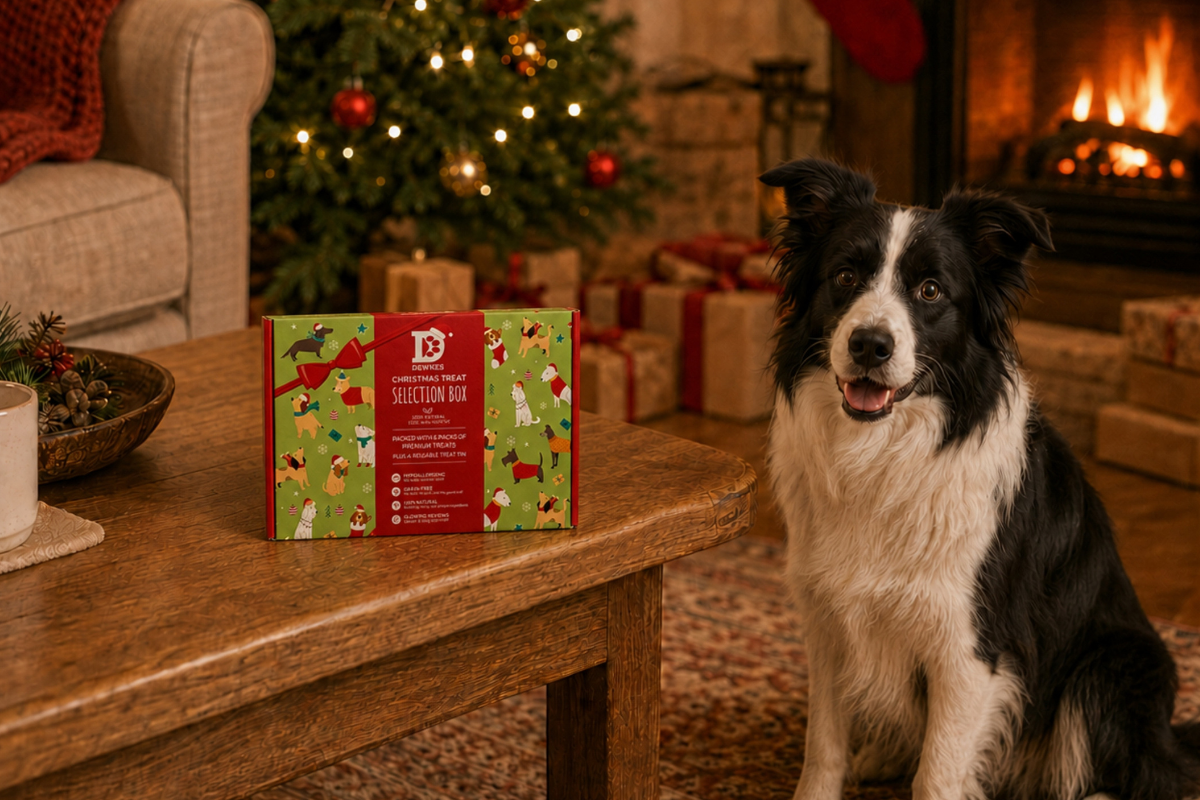
Treats are often given between meals, usually during walks, training sessions, or as small rewards at home.
Smaller, natural treats work best for this, as they’re easy to give little and often without overdoing it. They also tend to be easier for your dog to digest, especially if they’re made from simple ingredients.
Keep things consistent
Dogs thrive on routine. Feeding them at roughly the same times each day helps them settle into a rhythm and can even support digestion.
If you do need to change their food or feeding amounts, it’s best to do it gradually over a week or two to avoid upsetting their stomach.
Keep it simple
It’s easy to overcomplicate feeding, but it doesn’t need to be.
Start with a sensible guide based on your dog’s weight, feed twice a day at regular times, and adjust as needed based on how your dog looks and feels.
Add treats in a balanced way, choose good quality ingredients, and you’ll be giving your dog exactly what they need to stay happy and healthy.
Dewkes Dog Food
Dewkes dog food provides a complete meal solution with proper ingredients, and with no grain or artificial nasties - meaning it's kind to tummies and suitable for all dogs.