Article: Dry vs Wet Dog Food: Which Is Best for Your Dog?
Dry vs Wet Dog Food: Which Is Best for Your Dog?
Is dry or wet food better for dogs? The honest answer is that either can be a good choice. The most important points are that the food is complete, appropriate for your dog’s life stage and fed in a suitable amount.
Dry and wet food each have practical advantages. Your dog’s preferences, health, budget and routine can help decide which works best.
What is dry dog food?
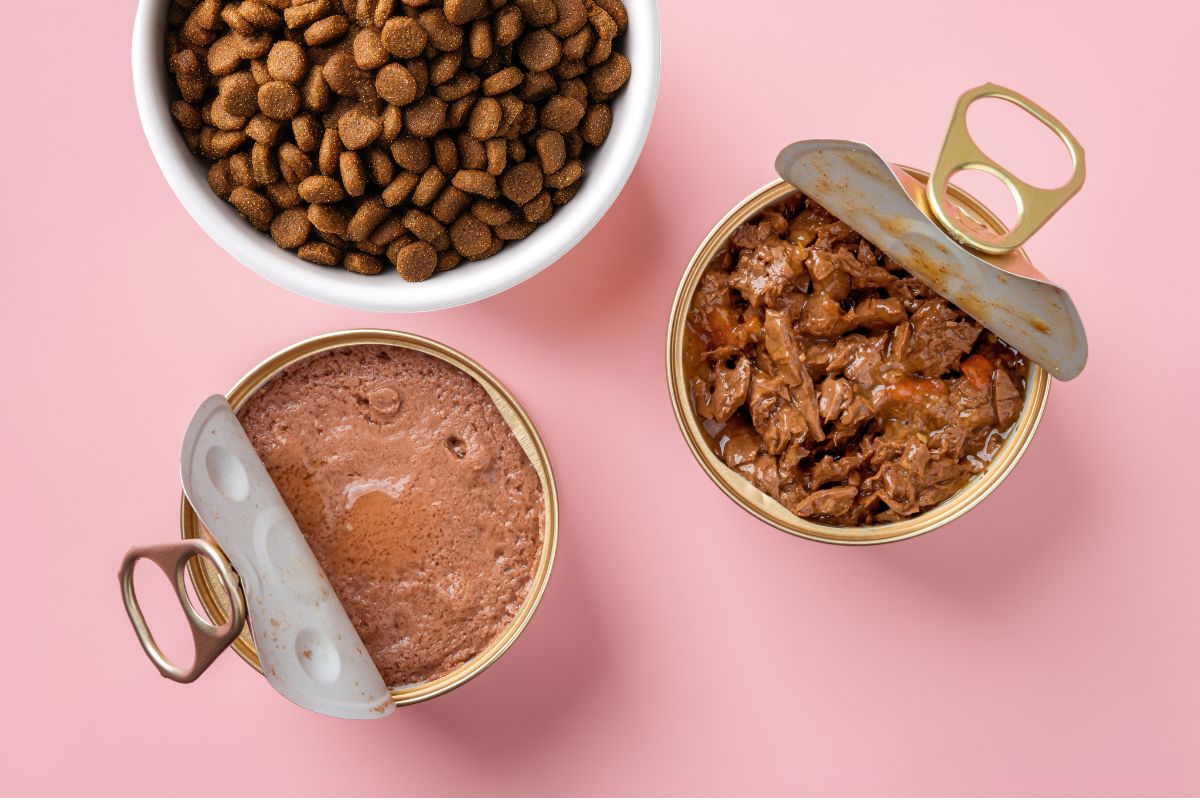
Dry food, often called kibble, contains much less moisture than wet food. It is usually sold in bags and can be weighed into meals or used in some puzzle feeders and training activities.
Advantages of dry dog food
- Easy to weigh and portion
- Convenient to store and serve
- Usually stays usable for longer after opening when stored correctly
- Can be used for training or enrichment
- Often costs less per day than an equivalent wet diet
- Creates less packaging per meal when bought in larger bags
Things to consider
- It provides less moisture through the food itself
- Some dogs prefer the smell or texture of wet food
- Dogs with dental pain may struggle with hard kibble
- The open bag still needs protection from heat, air and moisture
What is wet dog food?
Wet food has a much higher water content and is commonly sold in tins, trays or pouches. It is often aromatic and can appeal to dogs that are less interested in eating.
Advantages of wet dog food
- Provides additional moisture
- Soft texture can be easier for some dogs to eat
- Strong aroma may appeal to selective eaters
- Portioned packs can be convenient
Things to consider
- Opened food requires refrigeration and prompt use
- It can cost more per day
- It is messier to use for training and enrichment
- There may be more packaging for the same number of meals
Is wet food more nutritious than dry food?
Moisture alone does not determine nutritional quality. A complete wet food and a complete dry food are both designed to provide a balanced diet when suitable for the dog and fed correctly.
Percentages on the labels are not directly comparable because wet food contains much more water. A wet food can appear to have less protein on the label even when much of the difference is due to moisture.
Is dry food better for dogs’ teeth?
Ordinary kibble should not be treated as a replacement for dental care. Some specially designed veterinary dental diets may have a particular purpose, but standard dry food does not remove the need for tooth brushing and dental checks.
If your dog avoids hard food, drops kibble, chews on one side or has bad breath, ask your vet to check their mouth.
Can you mix wet and dry dog food?
Yes, provided both products are suitable and the combined portion delivers the right amount of food. The common mistake is serving a full wet portion and a full dry portion together, which can double the intended intake.
Work out how much of the daily allowance each food is providing. If your dog has a medical condition or prescription diet, ask your vet before mixing foods.
Which is better for a fussy dog?
Some fussy dogs prefer wet food’s aroma, while others enjoy crunchy kibble or a particular protein. Preference varies, so trying a small amount is more useful than assuming one format will always win.
Dewkes offers dry dog food taster packs from £1 in several flavours, allowing your dog to try a recipe before you buy a larger bag.
Which is more convenient?
Dry food is particularly convenient for measured portions, subscriptions, storage and travel. Wet food may be convenient when sold in single-meal portions, but unused open packs need refrigeration.
Your best option is the one you can store, measure and feed consistently.
Why choose Dewkes dry dog food?
The Dewkes dry dog food range contains complete grain-free recipes made with freshly prepared meat or fish, sweet potato and selected ingredients.
Options are available for puppies, adult dogs, senior dogs and small breeds. Depending on the recipe, they include prebiotics MOS and FOS to support healthy digestion and omega-3 to support healthy skin and coat.
Dry vs wet dog food: the answer
Neither format is automatically best for every dog. Check that the food is complete, appropriate for their life stage and practical for you to feed correctly. Your dog’s health, enjoyment and body condition are more useful guides than choosing sides in a dry-versus-wet debate.
If you are changing formats or recipes, make the transition gradually over 7–10 days and speak to your vet if your dog has specific dietary or medical needs. More information on how to transition your dog onto another food can you found in this blog article: How to introduce a new dog food