Why Is My Dog Always Hungry?
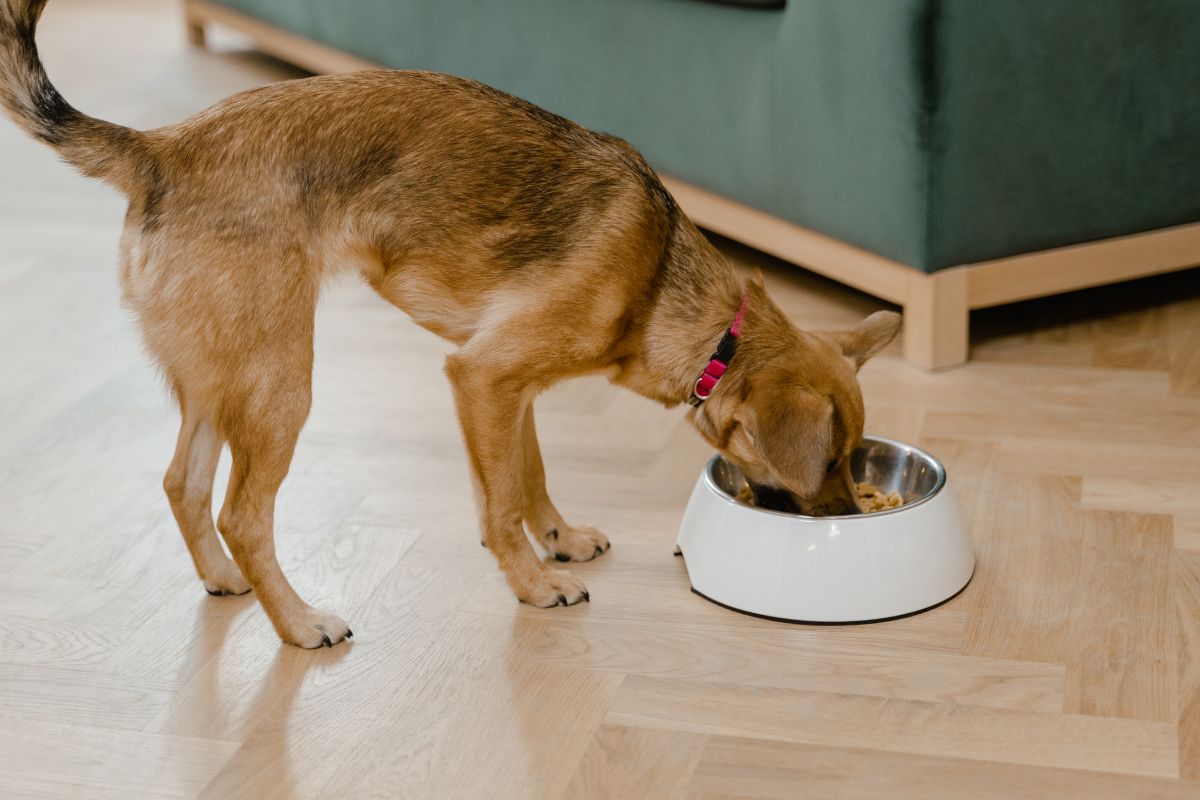
Some dogs behave as though every meal is their first in weeks. They watch the kitchen, inspect every pocket and appear the moment a packet opens. A keen interest in food can be perfectly normal, but a dog that is suddenly or unusually hungry deserves a closer look.
The reason may be as simple as meal timing or too many opportunities to ask for snacks. It can also relate to activity, feeding amounts, medication or health.
1. Your dog may simply love food
Some dogs are naturally more food-motivated than others. They may ask for food even when they have eaten enough, especially if asking has previously earned them a treat.
Look at their overall body condition and measured daily intake rather than relying on enthusiasm alone. A hopeful expression is not always evidence of an empty stomach.
2. Their meals may be too far apart
A dog receiving their full daily allowance in one meal may become hungry later. Splitting the same total amount into two meals can create shorter gaps without adding extra food.
Puppies and some small dogs usually need more frequent meals. Whatever schedule you choose, consistency helps.
3. They may not be receiving the right amount
Feeding guides provide a starting point, but dogs of the same weight can have different needs. Age, activity, neutering, body condition and the energy content of the food all make a difference.
Weigh the portion rather than estimating it by eye. Check whether the amount on the pack is a daily total or an amount per meal.
4. Their activity has increased
A longer walking routine, colder working conditions, agility training or another change in activity may increase energy needs. Do not automatically make a large change, but review their body condition and feeding amount.
If you are unsure how to adjust food for a very active or working dog, ask your vet.
5. Treats may be affecting their routine
It sounds backwards, but frequent snacks can teach a dog to seek food throughout the day. Treats also add calories, so increasing meals without accounting for them can lead to weight gain.
Measure out the day’s treats in advance or use part of the dog’s normal dry food allowance for training and enrichment.
6. They may be bored rather than hungry
Food-seeking can become an activity. If your dog starts asking when the household is quiet, they may be looking for attention or stimulation.
Try a walk, play, scent game, chew or puzzle feeder using part of their measured allowance. Avoid assuming every request needs an extra snack.
7. Medication can increase appetite
Some medicines, including certain steroids, can make dogs much hungrier. Never stop prescribed medication yourself. Speak to your vet if the change in appetite is difficult to manage or you are concerned about weight gain.
8. Increased hunger can be a sign of illness
A marked change in appetite can sometimes be linked with a health problem. Conditions such as diabetes or Cushing’s disease can affect appetite and are often accompanied by other changes.
Arrange a veterinary appointment if increased hunger is accompanied by:
- Weight loss or unexpected weight gain
- Drinking or urinating more
- Vomiting or persistent diarrhoea
- A swollen or pot-bellied appearance
- Changes in coat, energy or behaviour
- Eating non-food items or stools
How can you help a dog feel satisfied?
- Feed a complete food suitable for their life stage
- Weigh their daily allowance accurately
- Split the total into two or more suitable meals
- Use a slow feeder if they eat very quickly
- Use part of the allowance for training or food puzzles
- Keep track of treats and table scraps
- Monitor weight and body condition
Choosing a measured Dewkes portion
The Dewkes dry dog food range includes complete recipes for puppies, adult dogs, senior dogs and small breeds. Follow the feeding guide for the individual recipe because different foods should not be assumed to have identical serving sizes.
Dewkes recipes use freshly prepared meat or fish with sweet potato and selected ingredients. Depending on the recipe, they also include prebiotics MOS and FOS to support healthy digestion.
The bottom line
A food-loving dog is not necessarily underfed. Check portions, meal timing, treats, activity and body condition before adding more food. If your dog’s appetite has changed suddenly or comes with other symptoms, speak to your vet.