



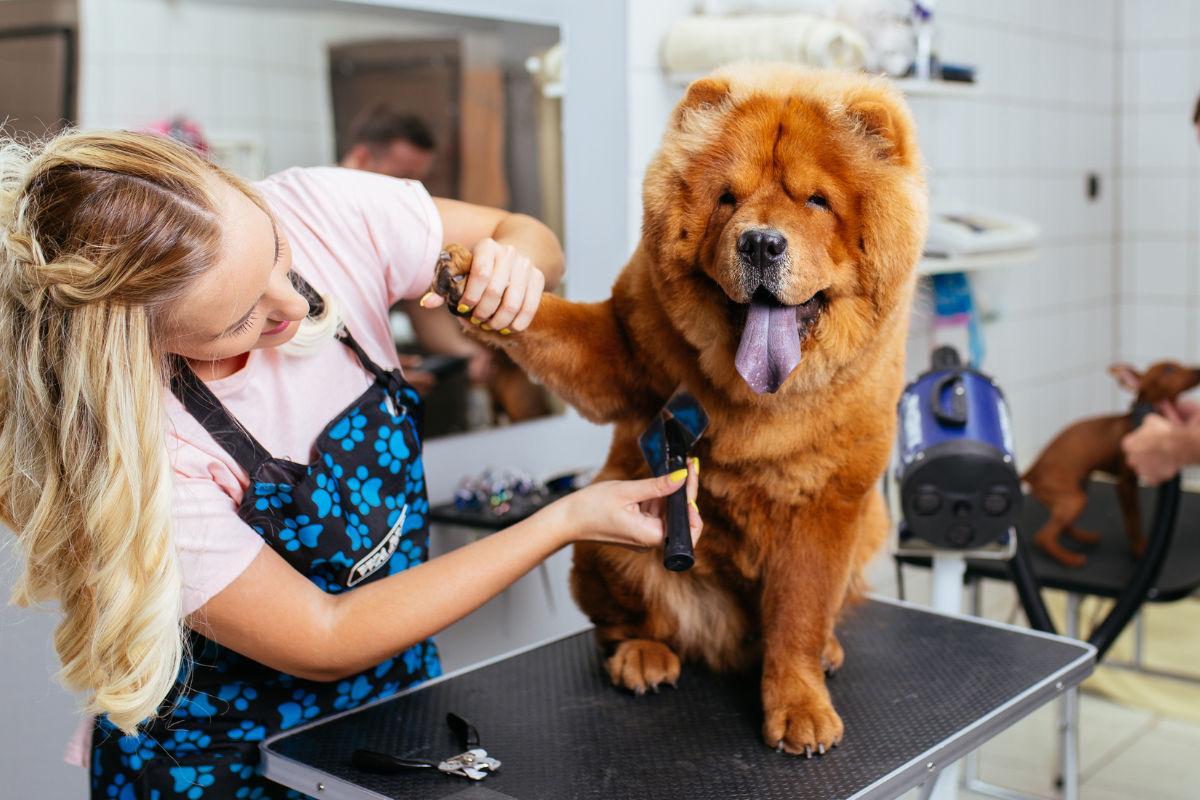
Dog Grooming Guide: Brushing, Bathing, Nails and Ears
Regular grooming helps keep a dog comfortable and gives you a chance to notice changes in their coat, skin, ears, paws and nails. The routine will depend on coat type, lifestyle, health and how comfortable the dog is with being handled.
How often should you groom your dog?
Short, smooth coats may need only a weekly brush, while long, curly or double coats often need attention several times a week. Dogs that swim, explore muddy paths or shed heavily may need more frequent care.
Ask a reputable groomer which brush and schedule suit your dog’s coat. Brushing the wrong way or using unsuitable tools can irritate skin or damage hair.
Brushing your dog
Begin with short sessions when your dog is calm. Let them see and sniff the brush, then reward relaxed behaviour. Brush gently in the direction the coat grows and work in small sections.
- Check behind the ears, under the collar, armpits, tail and legs, where knots commonly form.
- Do not pull hard at mats or cut close to the skin with scissors.
- Stop if your dog becomes worried, painful or defensive.
Tight matting can pull painfully on the skin and may need removal by a professional groomer.
How often should you bathe a dog?
Dogs do not usually need a fixed weekly bath. Bathe them when they are dirty or when a vet recommends a particular skin-care routine. Use lukewarm water and a shampoo made for dogs, avoiding eyes and the inside of the ears.
Rinse thoroughly because shampoo left in the coat can cause irritation. Dry the dog fully and keep them warm. If using a dryer, choose a comfortable temperature and noise level.
Checking ears and eyes
Look at the visible part of the ears during grooming. Contact your vet if you notice redness, swelling, discharge, a strong smell, pain or repeated head shaking. Do not push cotton buds or cleaners deep into the ear canal.
Eyes should be clear and comfortable. Persistent discharge, cloudiness, redness, squinting or rubbing needs veterinary advice.
Nail care
Nails that become too long can affect how a dog stands and walks. Check them regularly, including dewclaws. Use dog-specific nail clippers and take off only a small amount at a time.
The sensitive quick inside the nail can be difficult to see, particularly in dark nails. Ask a vet nurse or groomer to demonstrate if you are unsure. If a nail splits, grows into the pad or bleeds and will not stop, contact your vet.
Paws and coat checks
After walks, look for grass seeds, thorns, cuts, cracked pads and material caught between the toes. Part the coat in several places to check for lumps, parasites, redness, dandruff or sore areas.
Do not diagnose or treat skin problems with human products. Itching, hair loss, odour, wounds or repeated licking should be assessed by a vet.
Helping a nervous dog with grooming
- Start with a few seconds of gentle handling.
- Reward calm behaviour with food, play or praise.
- Build up gradually rather than restraining the dog.
- Use a non-slip surface and let the dog move away.
- Ask a qualified professional for help before fear escalates.
Home grooming or a professional groomer?
Routine brushing and simple checks can often be done at home. Clipping, significant mat removal and difficult nail care are usually safer with an experienced groomer. Medical skin, ear or paw problems belong with a vet.
Washing a muddy dog in Swansea
If the main challenge is the mess at home, Dewkes of Sketty has a self-service dog wash with washing, rinsing and drying facilities. It can be useful after muddy walks, although dogs that are very anxious around unfamiliar equipment may be happier with a gradual home routine or professional support.
Further reading: PDSA pet grooming guidance.