Grain-Free Dog Food: Benefits, Facts and Who It Suits
Grain-free dog food leaves out grains such as wheat, maize, barley and rice. It usually uses other carbohydrate sources, such as potato, sweet potato, peas or lentils. That description tells you what is absent; it does not, by itself, tell you whether a food is better for your dog.
Do dogs need a grain-free diet?
Many dogs digest grains without a problem. Grains can provide energy and nutrients, and true grain allergies are considered uncommon. A grain-free diet may be useful when a vet has identified a reason to avoid a particular grain, or when an individual dog does well on a suitable grain-free recipe.
Possible benefits for the right dog
- Avoiding a known ingredient: useful when a grain has been identified during a veterinary food trial.
- More recipe choice: grain-free ranges often use alternative carbohydrate and protein combinations.
- A clear ingredient option: a straightforward label can help owners compare foods for a sensitive dog.
Improvements in skin, digestion or energy are not guaranteed simply because a food is grain-free. Those results depend on the complete recipe, portion size and the dog’s individual needs.
Grain-free does not mean carbohydrate-free
Dry grain-free food still normally contains carbohydrates from ingredients such as potato, sweet potato, peas or other plants. It can also contain ingredients that do not suit a particular dog. If you suspect an allergy, ask your vet about a controlled elimination diet rather than removing several foods at random.
What matters more than the grain-free label?
- Look for the word complete, meaning the food is formulated to provide all required nutrients when fed as directed.
- Choose food for the correct life stage, especially for puppies.
- Read the full ingredient and nutritional information.
- Measure portions and include treats in the daily allowance.
- Ask your vet for advice if your dog has ongoing symptoms or a medical condition.
Dewkes grain-free dog food
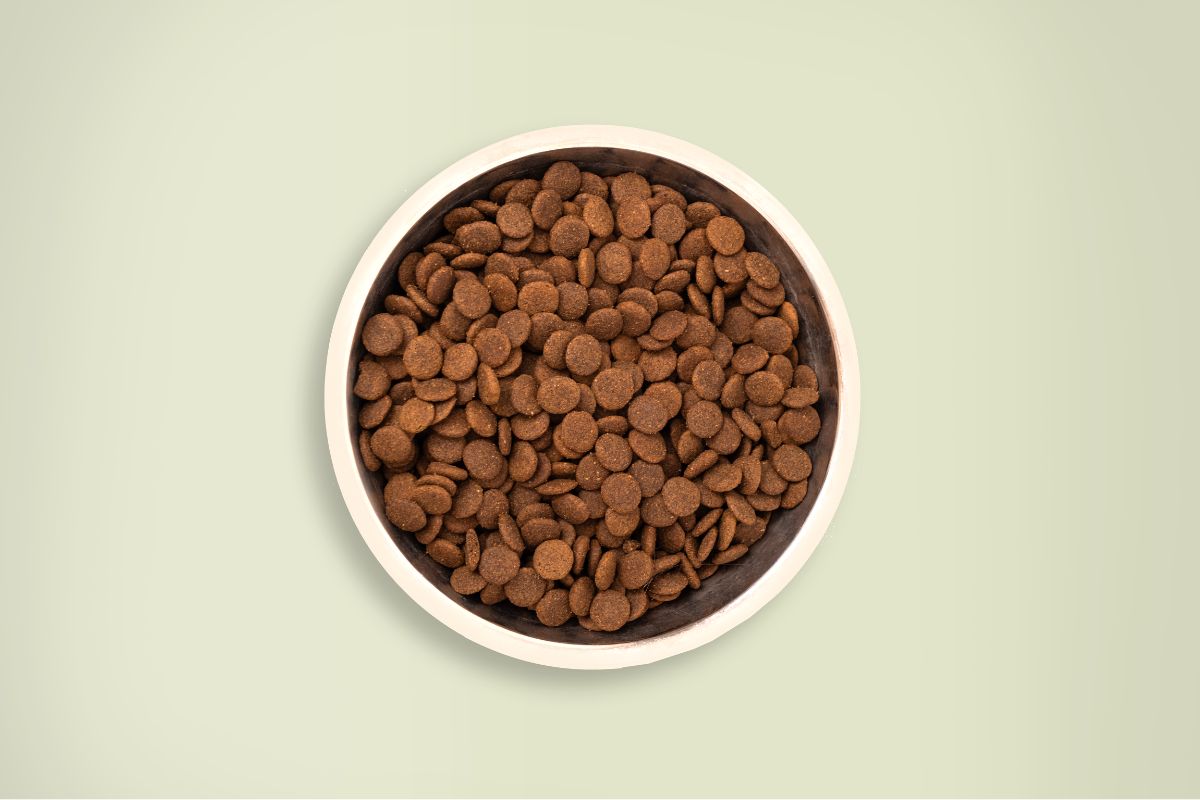
Dewkes offers a range of grain-free complete dry dog food with clearly listed ingredients and several recipe choices. This can be helpful if you prefer grain-free feeding or want to compare protein sources for a dog with particular needs.
Introduce a new food gradually over about 7–14 days unless your vet recommends a different plan. Start with the feeding guide, then monitor your dog’s weight, body condition, stools and general wellbeing.
Frequently asked questions
Is grain-free dog food better?
Not automatically. The best food is a complete diet that suits your dog’s age, health and individual needs.
Can puppies eat grain-free food?
Only choose a product labelled complete and suitable for puppy growth. Dewkes has a dedicated puppy and junior dog food range.
Can grain-free food help allergies?
It may help if a dog reacts to a specific grain, but many food allergies involve other ingredients. A vet-supervised elimination diet is the best way to investigate.
Further reading: UK Pet Food advice on choosing dog food.