Why does my dog have a bloated stomach?
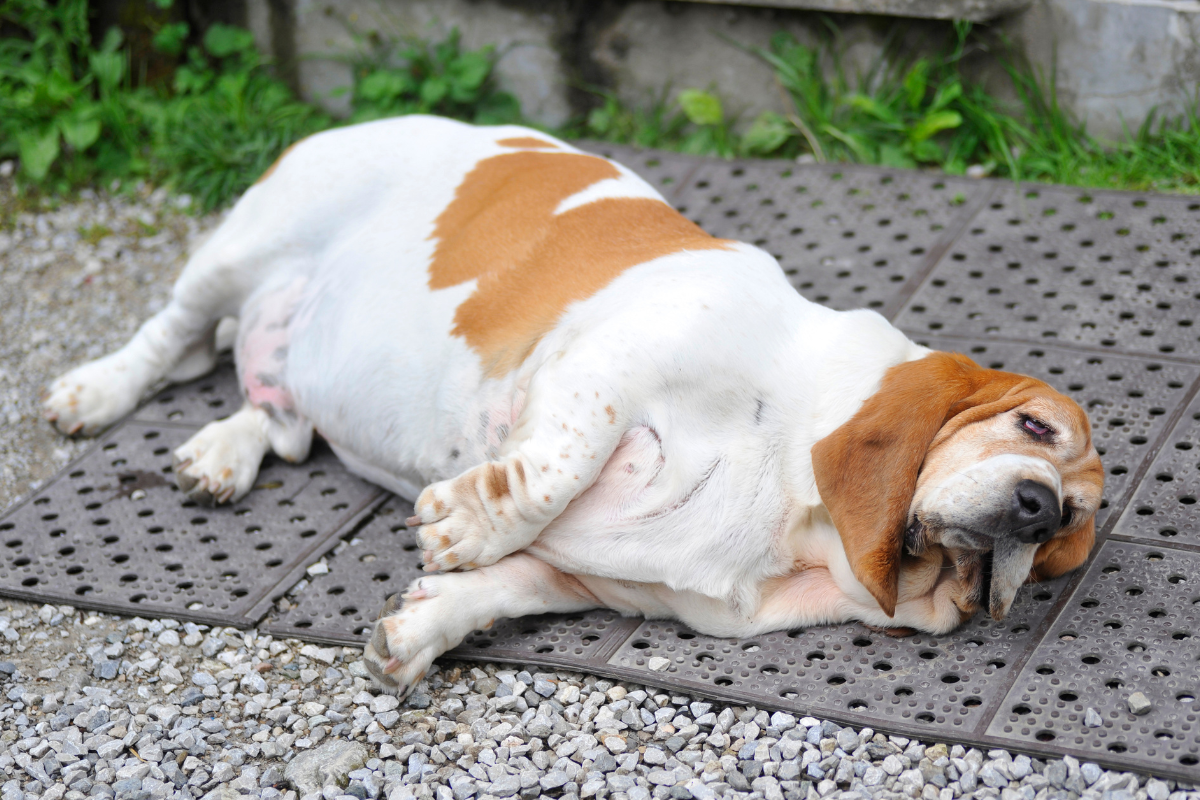
If you’ve noticed that your dog has a bloated stomach, the best advice is to not try and diagnose the problem yourself.
Get your pup to the vet for an examination as soon as possible because there are several reasons for bloating like this, and some can be very serious.
They include:
Gastric dilation and volvulus
In this condition, the dog’s stomach becomes twisted and traps food and gas. This twisting also prevents blood flow. The bloating happens when gas is trapped in a dog’s stomach, and it expands painfully.
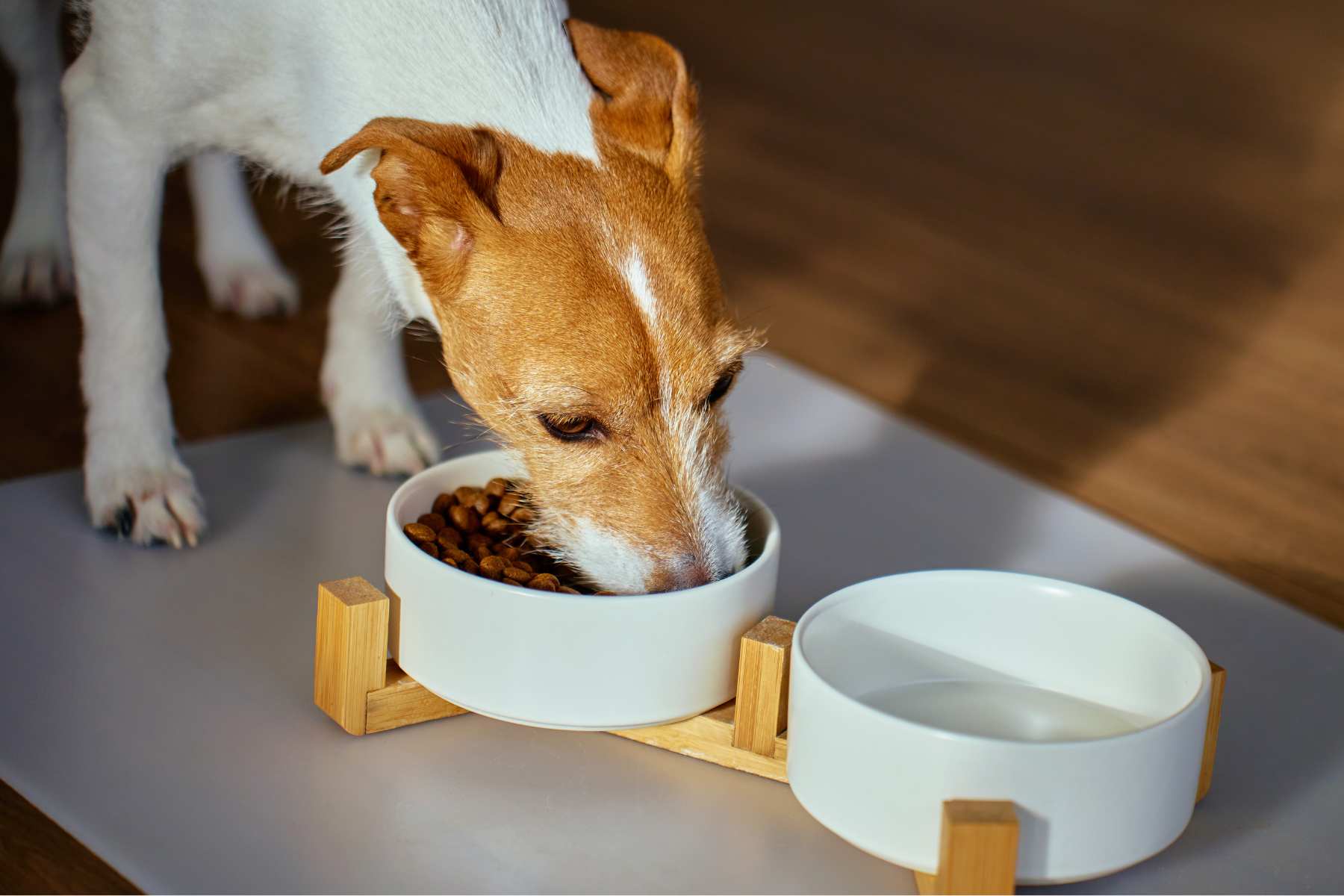
GDV is a serious condition which should not be left untreated. It can become fatal in just a few hours. It’s caused by several factors including a dog swallowing lots of air and having heavy exercise after meals, eating a meal too quickly, being fed just once a day, and eating or drinking from a bowl that’s been elevated.
It’s more common in big breeds with deep chests and with older dogs aged over seven.
A dog suffering from GDV will have a distended, hard abdomen, he or she will often whine or whimper, they will try to vomit but only produce foam, pace around, look in distress or panic, and paw at the stomach or look at it.
Help prevent this problem by feeding your dog twice a day or more, encouraging them to slow down while eating, and not allowing exercise just after eating.
Peritonitis
Caused by a dog swallowing sharp objects like bone fragments or wood splinters, tumours, or ulcers, this serious infection comes from a tear in the wall of the intestine or the stomach wall. The infection causes bloating.
Any dog suffering from peritonitis is highly likely to need emergency surgery, so seek help immediately.
Cushing’s syndrome
Too much of the stress hormone cortisol can cause this condition, especially in dogs over the age of six. A dog suffering from this will often drink water to excess, urinate, pace around, and suffer from hair loss, as well as having a bloated abdomen.
Ascites
Dogs suffering from ascites have a build-up of fluid in the abdomen. Ascites can be caused by liver disease, heart failure, intestinal problems, kidney failure, tumours, or parasites like heartworm. It’s one of the known symptoms of a late-stage heartworm infestation.
Trauma
Your dog may have suffered an internal injury and could be bleeding internally. This also needs immediate treatment from a vet.
Tumours or obstructions
Bloating can also be caused by obstructions or tumours, particularly if a mass has ruptured. Get your dog to the vet as quickly as you can.
Roundworm
If your puppy has a bloated stomach, this could be because of roundworm. Check with your vet to ensure there’s nothing else going on.
Overeating
The cause of your dogs bloating could be as simple as overeating, but your vet will need to rule out all the more serious conditions.
Love your pooch? Take a look at our brilliant range of dog products.