



Article: How Cold, Dark Weather Affects Dogs
How Cold, Dark Weather Affects Dogs
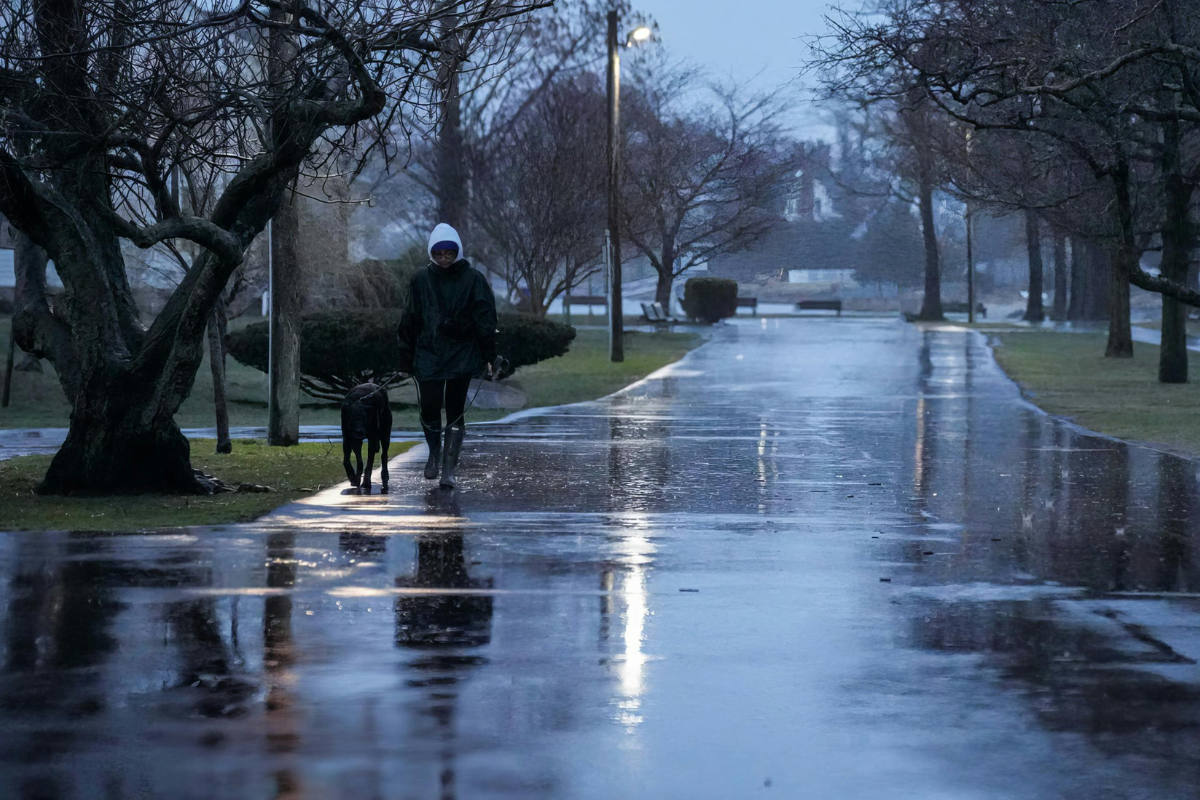
All summer, the sound of the lead coming off its hook was enough to bring your dog running. Now you open the back door, they take one look at the rain, and suddenly the kitchen rug has never been more inviting. Then, on a bright Sunday morning, they’re halfway down the garden before you’ve found your boots.
Cold weather can affect how comfortable your dog feels outside. Shorter days can change the shape of their day, too. If you’ve noticed a difference in how they walk, play or sleep, start by looking at what’s changed around them and when you see it.
Do dogs feel the cold?
Yes, though two dogs on the same walk can have very different ideas about when it’s time to go home. A small, fine-coated dog may feel the cold sooner than a dog with a thick coat. Puppies and older dogs may need a little more care, and wind and rain can make an outing feel colder than the temperature on your phone suggests.
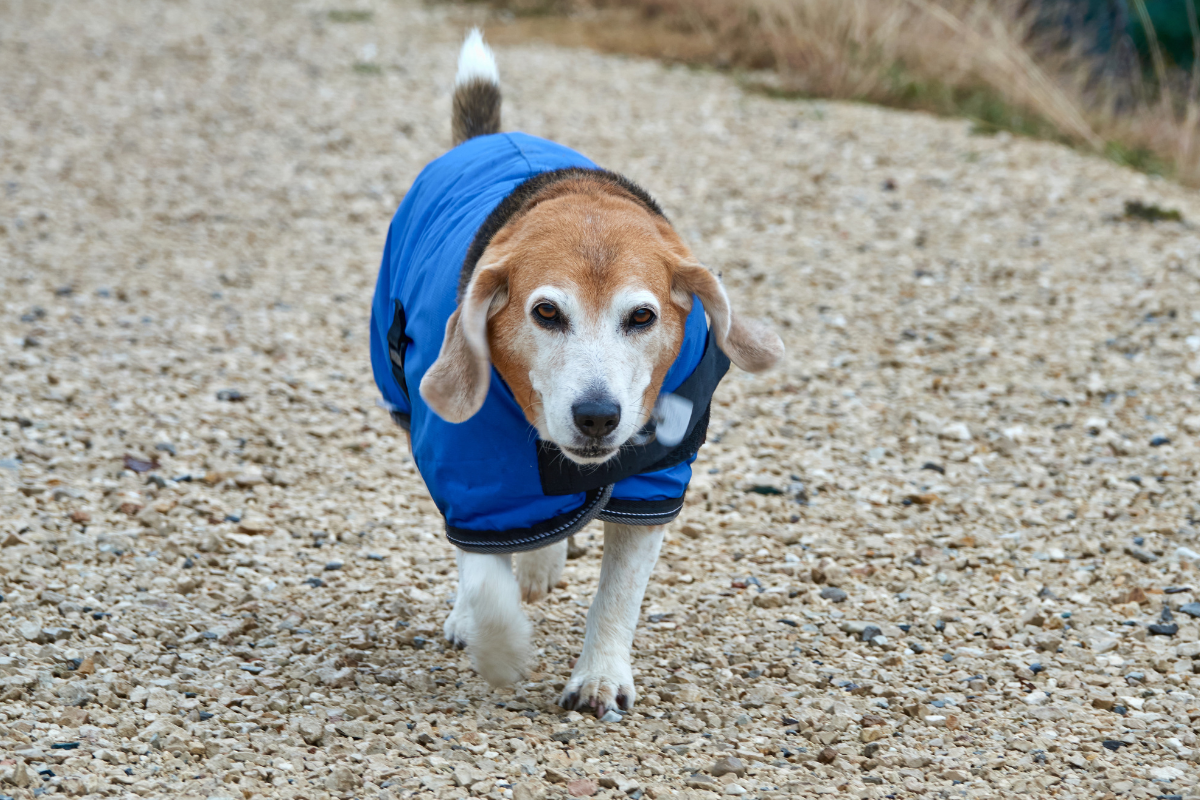
Watch how your dog is moving. There’s a difference between stopping to investigate a hedge and slowing down with a shiver or trying to turn back. If they’re shivering or seem uncomfortable, head home, dry them off and let them warm up. If your dog often feels chilly, a well-fitting coat that leaves them free to move can help. The PDSA’s vet advice on winter coats explains which dogs may benefit.
Do dogs sleep more in winter?
Some owners notice more naps when the evenings draw in. Think about what usually happens at that time of day. The after-work trip to the park might have become a short trip round the block, and the game in the garden might have disappeared altogether. Your dog has fewer reasons to get up from their bed when there’s less going on.
It’s unclear whether dogs experience seasonal affective disorder though. A change in the household routine may help explain why a dog seems sleepier in winter. If your dog is suddenly much quieter than usual, seems unusually tired or loses interest in food or favourite activities, speak to your vet. Read the Blue Cross guide to dogs and the winter blues.
When an older dog starts taking things more slowly
You might notice it when they get up from their bed or pause at the bottom of the stairs. Cold weather can make existing joint discomfort more noticeable. If stiffness, limping or reluctance to move is new or keeps happening, book a vet check. It’s worth telling your vet when you see it, whether that’s after a nap, during a walk or later that evening. See the PDSA’s guide to arthritis in dogs.
Give them something to look forward to on darker days
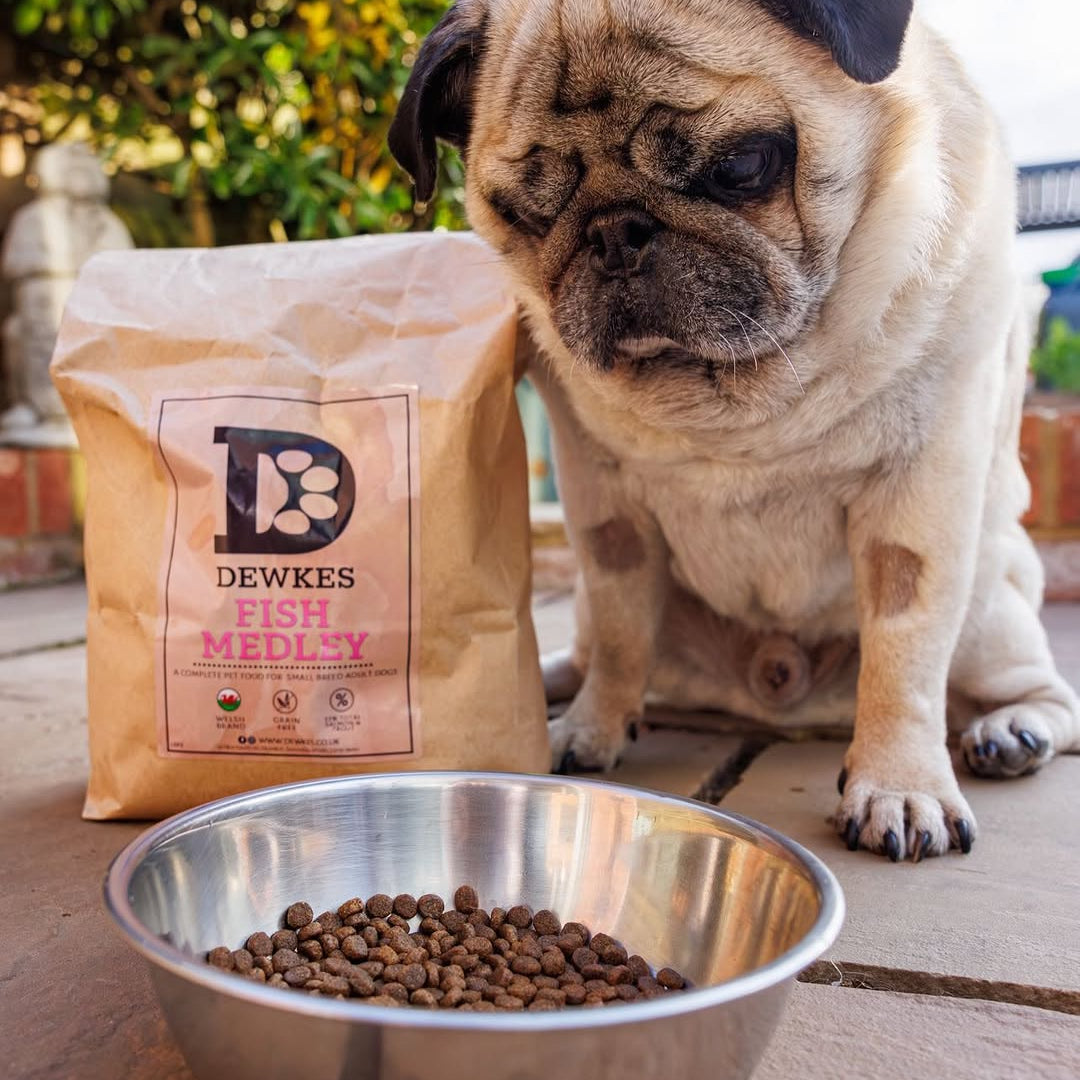
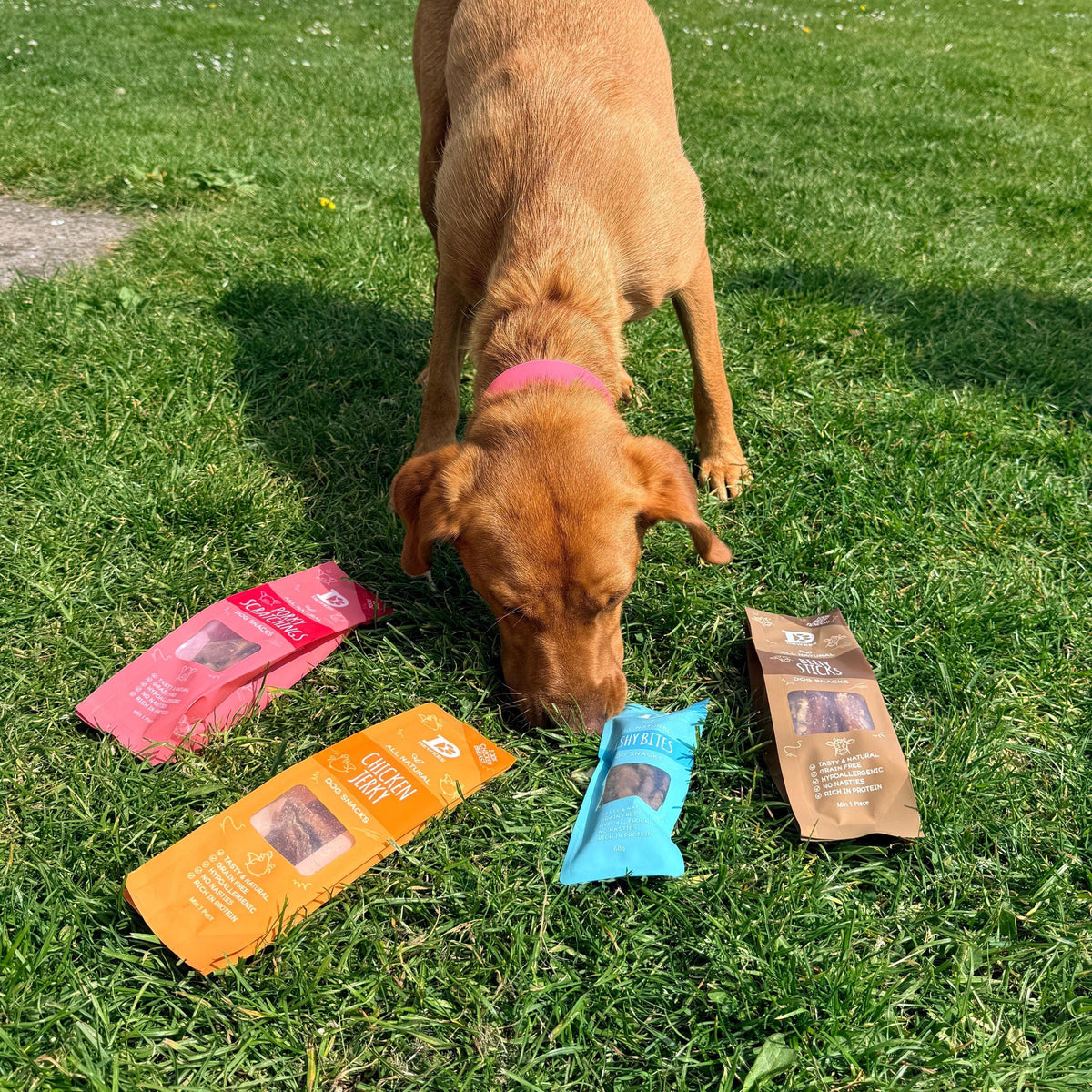
If you can move one outing into daylight, try the lunchtime loop and give your dog a few extra minutes to sniff. If that doesn’t fit your day, build a small ritual around the evening walk. When you get back and the paws are dry, lay a short treat trail along the rug. A few pieces of their usual dry food or a Dewkes treat will do. For a dog who likes carrying things, roll a soft toy a short distance along the rug and see if they bring it back for another go.
Start with the things your dog already loves. Sometimes that’s five minutes following a trail round the living room. Sometimes it’s the usual walk, with enough daylight left to stop at the good hedge.
For more ideas, try our five indoor games for dogs or read our winter dog walking guide. The RSPCA’s winter care guide has more advice on keeping dogs safe outdoors.