How to Keep Your Dog Calm at Christmas
Christmas can change almost everything in a dog’s day: there may be more visitors, unfamiliar decorations, richer smells and sudden noise. Some dogs enjoy the activity, while others need more distance and predictability.
Planning ahead can help your dog feel safer without expecting them to join every celebration.
Keep your dog’s routine familiar
Try to keep meals, toilet breaks, walks and bedtime close to their usual times. A normal, enjoyable walk can help your dog settle, but there is no need to exhaust them. Avoid unfamiliar busy routes if crowds or noise make them uncomfortable.
Create a quiet, dog-only space
Set up a comfortable area away from the front door, children and party noise. Include familiar bedding and water, and let your dog choose whether to use it. Ask visitors not to follow, touch or disturb them there.
If possible, introduce this space before the busy period so it already feels safe. A stair gate can provide separation without shutting your dog into an unfamiliar room.
Manage visitors before the doorbell rings
Tell guests how your dog prefers to be greeted. Some dogs are happiest if visitors ignore them at first. Keep greetings calm and never force an interaction.
If arrivals are difficult, settle your dog in their safe area with a familiar activity before opening the door. Make sure doors and gates are secure and that your dog’s microchip details and ID tag are up to date.
Watch your dog’s body language
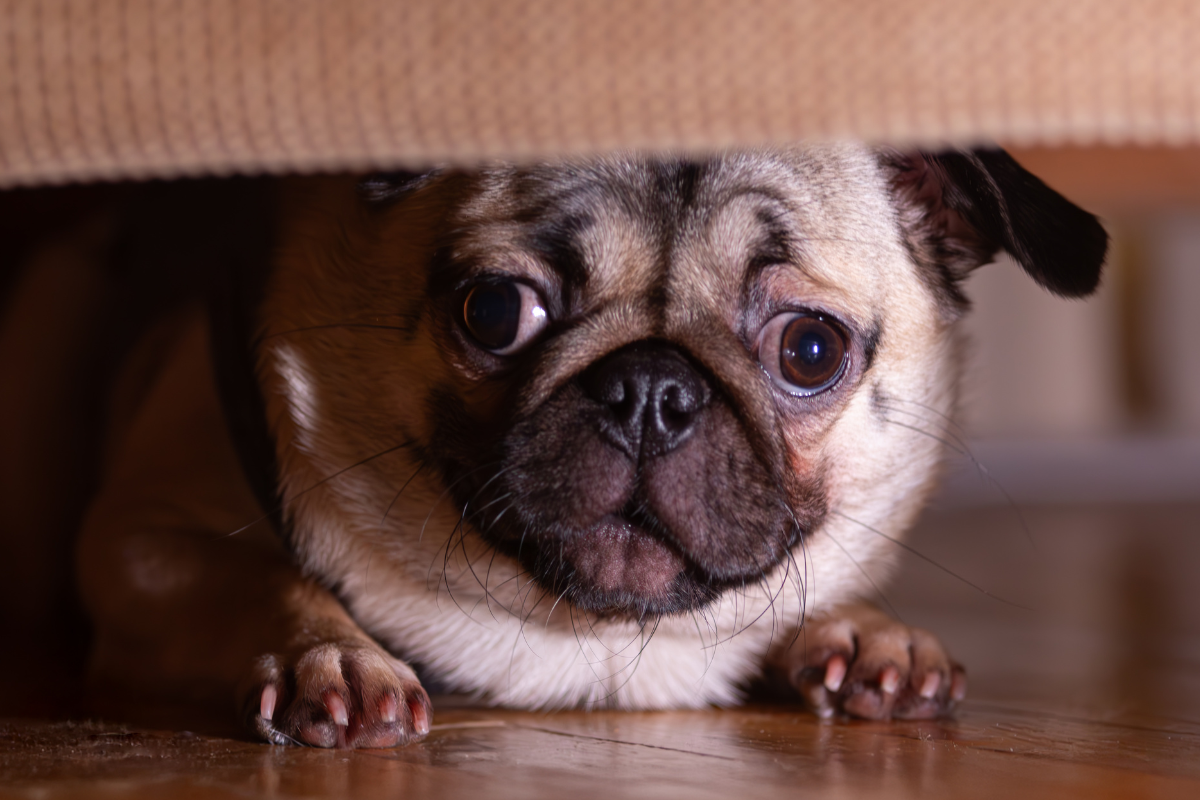
Early signs that a dog needs space can include turning away, lip licking, yawning, pacing, hiding, trembling, panting when they are not hot or refusing food. A growl is useful communication: do not punish it. Increase distance and help your dog move somewhere quieter.
Plan for fireworks and loud celebrations
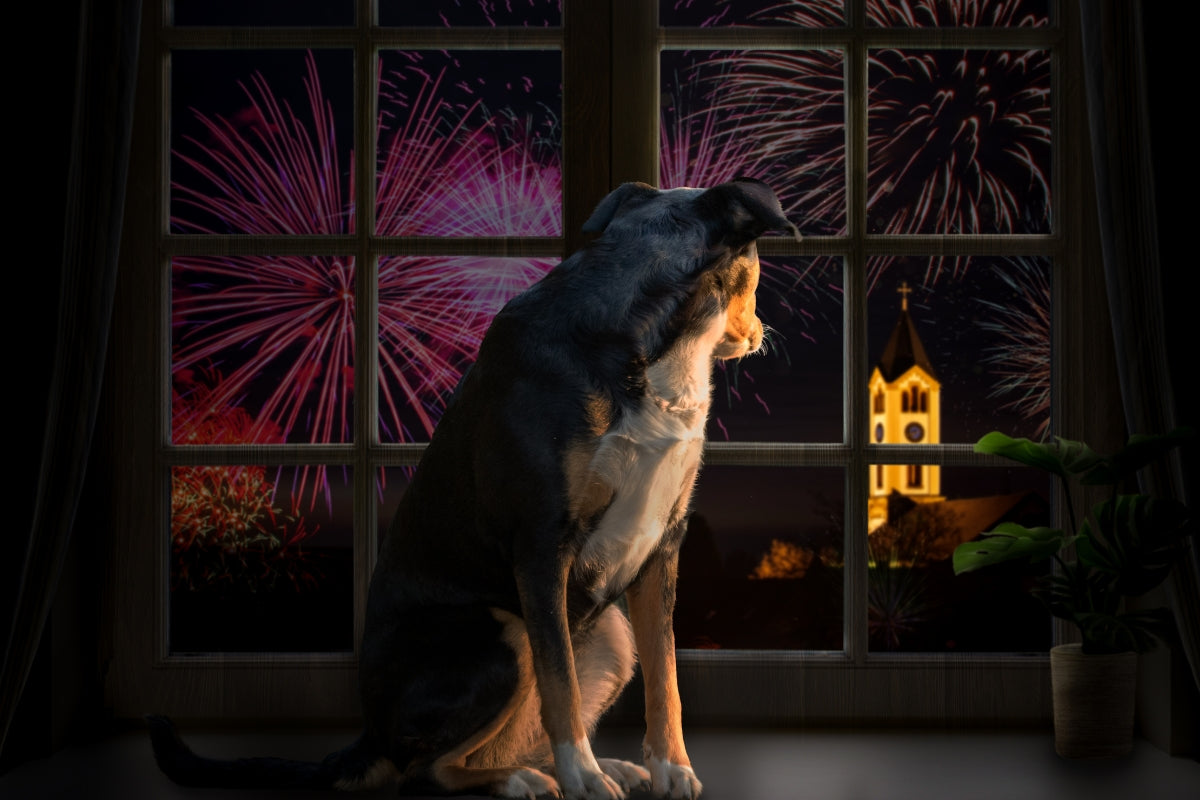
Walk before dark where possible and keep your dog indoors during fireworks. Close curtains, reduce flashes and use gentle background sound if your dog is already comfortable with it. Do not take your dog to a display or leave them outside.
Stay nearby if you can. It is fine to comfort a frightened dog if they seek you out; you will not reinforce fear by helping them feel safe.
Use calm, familiar enrichment
A food toy, sniffing game or suitable chew may help a dog who is relaxed enough to eat. Do not rely on food to override fear, and never leave a dog unattended with a chew or damaged toy.
Dewkes natural dog treats and chews can be used in a familiar enrichment routine. Choose an appropriate size, supervise, and include the portion in your dog’s daily allowance.
Reward calm choices
Quietly reward behaviours such as settling on a bed, checking in with you or moving away from the door. Use small treats or calm praise, depending on what your dog enjoys. There is no need to command a worried dog to stay close to something they find frightening.
What about calming products?
Pheromone products, pressure wraps and supplements may help some dogs, but responses vary and they should support a wider plan rather than replace it. Introduce anything wearable in advance and stop if it causes discomfort.
If you are considering a supplement or functional treat, check the ingredients and speak to your vet, especially if your dog has a medical condition or takes medication.
Dewkes Calm & Relax Bites are made with duck and chicken, with added chamomile and lavender. They can be offered as part of a familiar calming routine, e.g. when rewarding your dog for settling in their quiet space. They are not a treatment for anxiety and will not suit every dog, so follow the feeding guidance and seek veterinary advice if your dog is significantly distressed.
When to speak to your vet
Ask your vet for help if your dog has intense fear, tries to escape, cannot settle, stops eating, becomes destructive or reacts aggressively. Do this well before expected events where possible. Your vet can rule out pain or illness and discuss an individual plan, which may include referral to a qualified behaviour professional.
A simple festive plan
- Keep normal routines where practical.
- Prepare a quiet retreat before guests arrive.
- Let your dog opt out of interaction.
- Secure doors, food, decorations and bins.
- Use familiar enrichment only if your dog wants it.
- Seek professional help for significant or worsening distress.